Water Softeners: A Complete Guide for Homeowners in Ireland
Hard water is one of the most common water quality issues affecting homes across Ireland. While it is safe to drink, untreated hard water can quietly damage plumbing, heating systems, and household appliances, while also affecting everyday comfort.
In many Irish homes, limescale buildup is accepted as normal. Kettles need frequent descaling, boilers lose efficiency over time, and appliances fail sooner than expected. In reality, these are not inevitable problems — they are the result of untreated hard water.
This page explains what hard water is, why it is so common in Ireland, how it affects homes over time, and how water softeners are used to protect household systems and improve daily living.
What Is Hard Water?
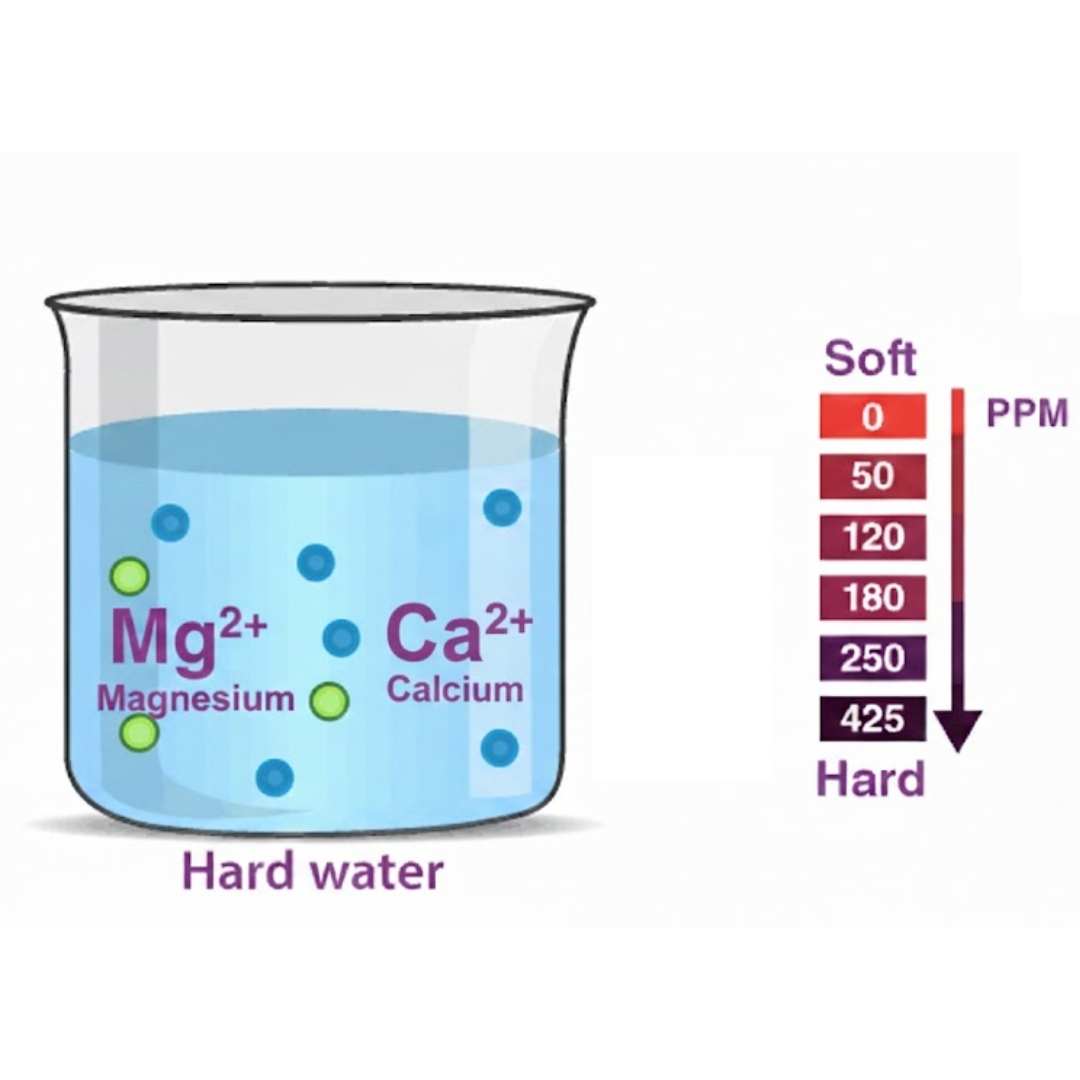
Hard water contains elevated levels of dissolved calcium and magnesium. These minerals enter groundwater naturally as rainwater passes through limestone and other mineral-rich rock before reaching water supplies.
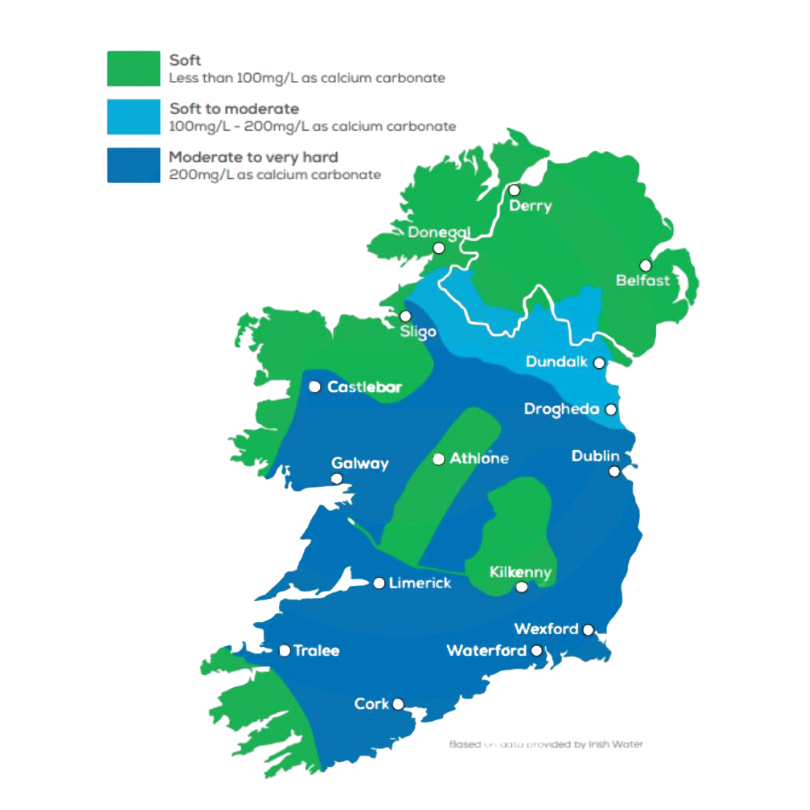
Because much of Ireland sits on limestone bedrock, hard water is widespread across the country. Both mains water and private well supplies can be affected.
Hard water is not a health risk, but the way it behaves once it enters the home causes long-term problems. When hard water is heated or allowed to evaporate, calcium and magnesium form limescale — a chalky, mineral deposit that builds up on surfaces and inside systems.
Why Hard Water Is So Common in Ireland
Ireland’s geology is the primary reason hard water is so prevalent. Large areas of the Midlands, East, South-East, and parts of the South sit on limestone aquifers that naturally enrich water with calcium and magnesium.
Unlike many contaminants, hardness is not caused by pollution and cannot be removed through standard public water treatment. As a result, even water that meets all drinking water standards can still be hard and damaging to household systems.
Hard water levels can vary significantly from one area to another, and even between neighbouring homes depending on supply routes, pipework, and water source.
Common Signs of Hard Water in the Home
Many homeowners live with hard water for years without realizing it is the underlying cause of everyday issues. Because the effects develop gradually, they are often accepted as normal wear and tear rather than signs of a water quality problem.
For most households, it is not one single sign but a combination of these issues that points to hard water. Identifying these patterns early allows the underlying cause to be addressed before long-term damage and unnecessary costs occur.
Limescale Buildup on Surfaces & Fixtures
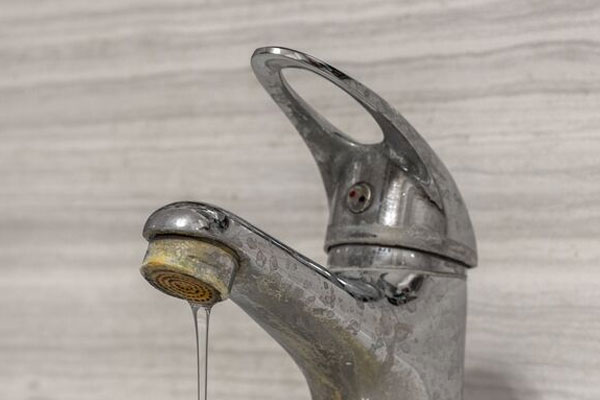
One of the most visible indicators of hard water is limescale. White or chalky deposits often appear on taps, showerheads, kettles, and around sinks and baths. Even with regular cleaning, these deposits tend to return quickly, particularly in kitchens and bathrooms where water is frequently heated or evaporates.
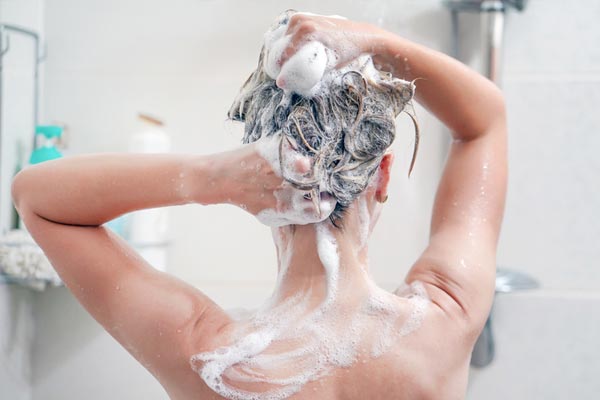
Soap & Shampoo That Don’t Rinse Cleanly
In hard water, soap and shampoo do not lather easily and can feel difficult to rinse away. After washing, skin may feel dry or tight, and hair can feel heavy, dull, or coated rather than clean. These effects occur because calcium and magnesium bind to cleansing products and leave mineral residue behind.
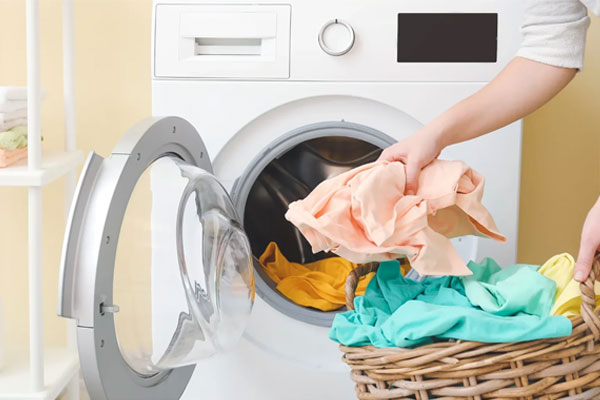
Laundry That Feels Stiff or Looks Dull
Laundry washed in hard water may feel stiff or rough to the touch. Detergents are less effective, meaning more product is often used without improved results. Over time, colours can fade more quickly as minerals bind to fabric fibres and interfere with proper cleaning.
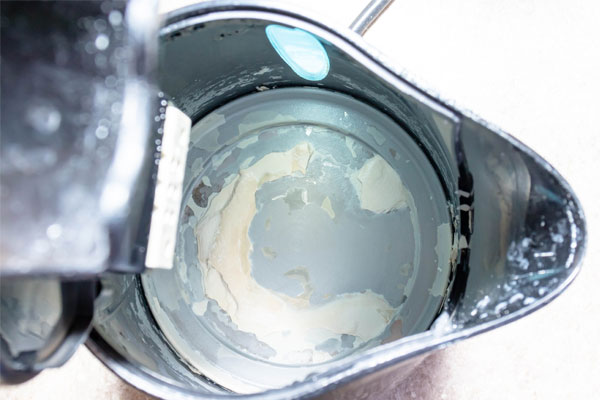
Frequent Descaling & Appliance Issues
Kettles, coffee machines, and other water-using appliances may require frequent descaling. Dishwashers and washing machines can take longer to complete cycles or show reduced performance as limescale builds up on internal components. These are early signs of efficiency loss caused by hard water.
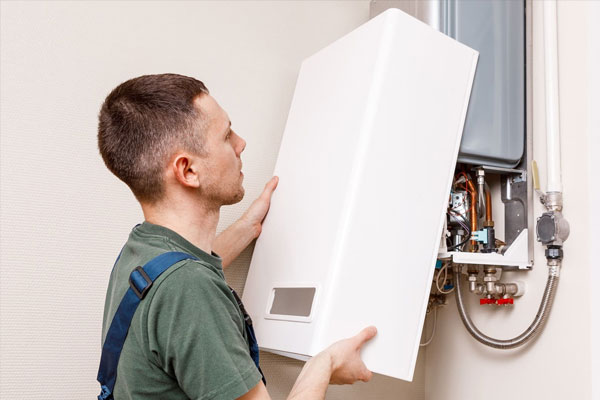
Gradual Changes in Heating Performance & Water Flow
Inside the home’s systems, signs of hard water are less obvious but just as important. Boilers may become less efficient over time, immersion heaters may take longer to heat water, and water pressure can gradually reduce as limescale narrows pipework.
For most households, it is not one single sign but a combination of these issues that points to hard water. Identifying these patterns early allows the underlying cause to be addressed before long-term damage and unnecessary costs occur.
How Does Hard Water Affect a Home?
Hard water rarely causes sudden failures. Instead, it creates gradual, cumulative damage that often goes unnoticed until systems become inefficient or begin to fail.
When hard water is heated or evaporates, calcium and magnesium precipitate out of solution and form limescale. This limescale adheres strongly to surfaces and continues to build unless the hardness is removed at source.
Because this process happens slowly, many households underestimate the long-term impact until repair costs, energy bills, or appliance replacements increase.
-
Plumbing & Pipework
-
Boilers & Heating Systems
-
Household Appliances
-
Skin & Hair
-
Cleaning & Laundry
-
Environment
Inside pipework, limescale builds up layer by layer. Even small amounts of scale reduce the internal diameter of pipes, restricting water flow and increasing pressure within the system.
Valves, fittings, and narrow pipe sections are particularly vulnerable. Over time, reduced flow and increased pressure place strain on plumbing components, increasing the risk of leaks and system wear.
In older properties, where pipes may already be partially restricted, hard water accelerates deterioration and contributes to avoidable plumbing repairs.
Heating systems are among the most affected components in a hard water home. When limescale forms on heat exchangers or immersion heater elements, it acts as an insulating barrier between the heat source and the water.
Even thin layers of scale significantly reduce heat transfer efficiency. As a result, boilers and immersion heaters must run for longer periods to heat the same volume of water. This increases energy consumption and places additional strain on heating components.
Over time, hard water leads to higher energy bills, reduced heating performance, more frequent breakdowns, and earlier replacement of boilers and heating elements. In hard water areas, untreated systems often have noticeably shorter lifespans.
Appliances that heat or use water frequently are particularly vulnerable to hard water damage. Washing machines, dishwashers, kettles, coffee machines, and showers all develop limescale on internal components.
As scale builds up, heating elements become less efficient, sensors and valves can malfunction, and moving parts experience increased wear. Appliances may take longer to complete cycles, consume more electricity, or fail unexpectedly.
Many appliance manufacturers acknowledge that hard water significantly reduces product lifespan. Premature appliance replacement is one of the most common hidden costs associated with hard water.
Hard water interacts poorly with soaps and shampoos. Calcium and magnesium bind to cleansing agents, preventing them from dissolving and rinsing away cleanly. This leaves mineral residue on the skin and hair after washing.
Over time, this residue can disrupt the skin’s natural barrier, contributing to dryness, tightness, and irritation. People with sensitive skin, eczema, or existing skin conditions often notice these effects more strongly.
Hair washed in hard water can feel dry, heavy, and brittle. Shampoo does not lather easily, conditioners are less effective, and mineral buildup on the hair shaft reduces shine and manageability.
While hard water is not considered harmful to health, its impact on skin and hair comfort is one of the most noticeable day-to-day effects.
Hard water reduces cleaning efficiency throughout the home. When soap reacts with hardness minerals, it forms soap scum, a sticky residue that clings to surfaces and fabrics.
In kitchens and bathrooms, limescale leaves white or chalky deposits on taps, shower screens, tiles, and sinks. Glassware and dishes may appear cloudy or spotted even after washing.
Laundry washed in hard water can feel stiff and rough to the touch, and colours may fade more quickly. Minerals bind to fabric fibres, reducing softness and flexibility over time.
These effects often lead to increased use of detergents and cleaning products, adding to household cost and effort.
The financial impact of hard water is spread across many areas of the home. Reduced heating efficiency increases energy bills, appliances require more frequent repair or replacement, and greater quantities of detergents and cleaning products are used.
From an environmental perspective, hard water increases energy consumption and accelerates appliance turnover, contributing to higher carbon emissions and material waste. Increased use of cleaning chemicals further adds to environmental load.
Addressing hard water therefore supports both household efficiency and sustainability.
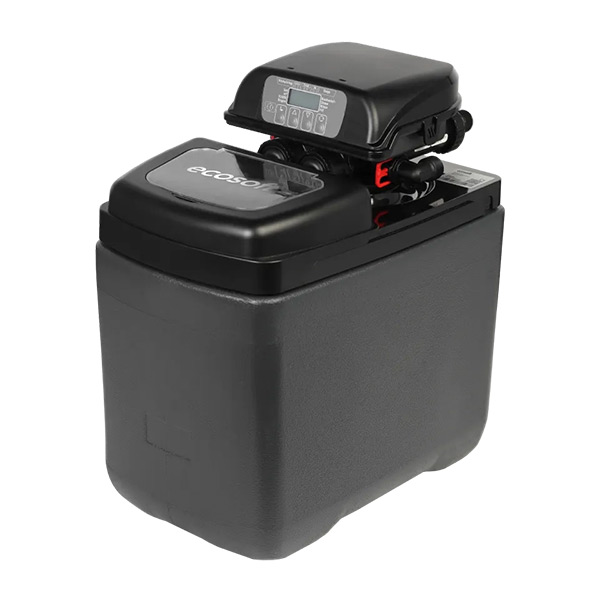
What Is a Water Softener?
A water softener is a whole-home water treatment system designed specifically to reduce hardness by removing calcium and magnesium from the water supply.
Water softeners are installed where water enters the home, treating all incoming water before it reaches taps, appliances, and heating systems. This ensures that every part of the home benefits from softened water.
The most common type of water softener used in Irish homes operates through an ion exchange process, where hardness minerals are replaced with sodium ions. This prevents limescale from forming while maintaining consistent water quality throughout the property.
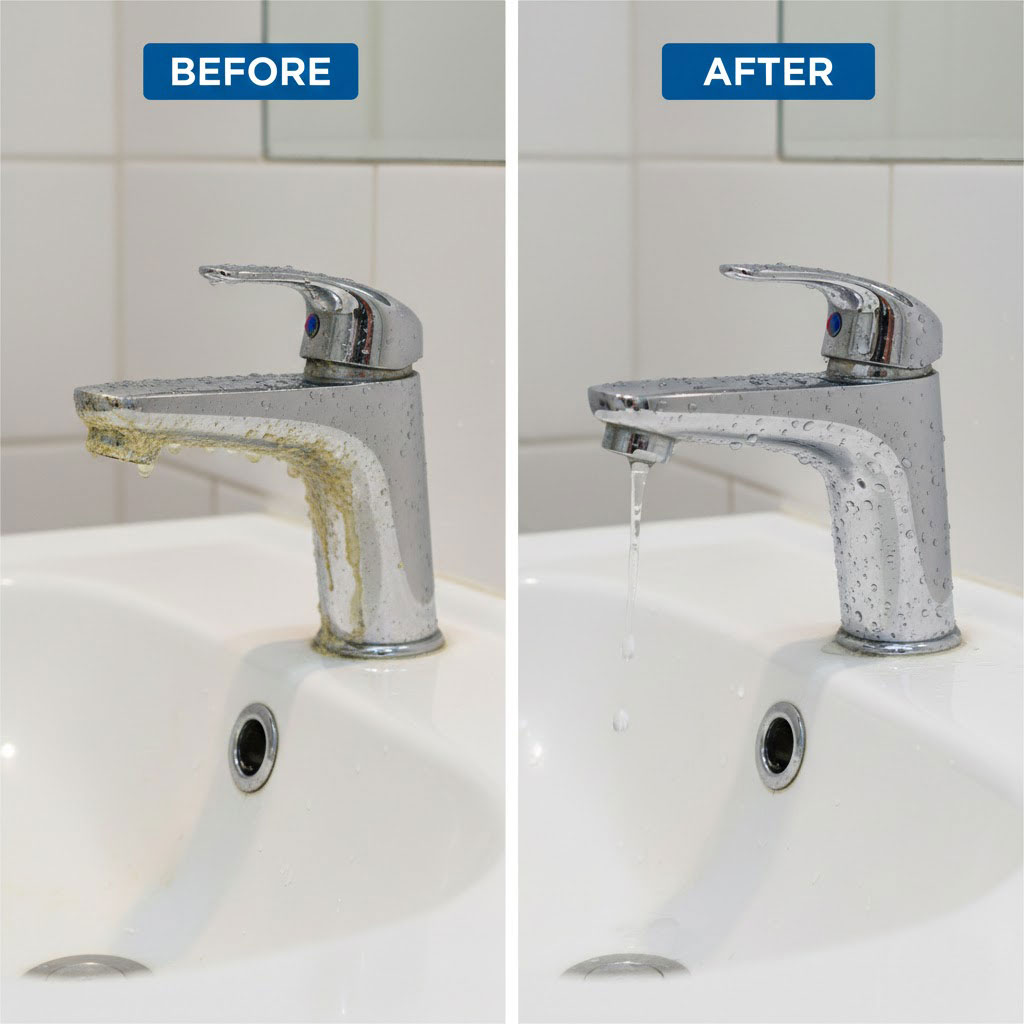
Benefits of Installing a Water Softener
The benefits of a water softener are cumulative and become more noticeable over time.
Plumbing systems remain free from scale buildup, reducing maintenance and extending lifespan. Boilers and heating systems operate more efficiently, using less energy to deliver the same performance. Appliances last longer and require fewer repairs.
Everyday comfort improves as soap and shampoo rinse cleanly, skin feels less dry after washing, and cleaning becomes easier. Limescale deposits on surfaces are significantly reduced, saving time and effort.
Over the long term, many households find that the cost of installing a water softener is offset by reduced energy bills, lower maintenance costs, and extended appliance lifespan.
How Does a Water Softener Work?
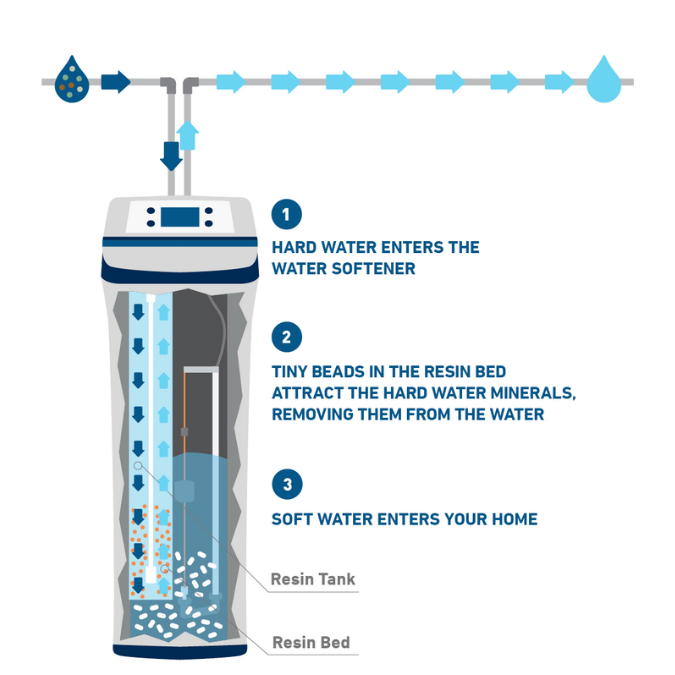
Water enters the softener and passes through a resin bed that attracts and holds calcium and magnesium ions. As these hardness minerals are removed, sodium ions are released into the water.
Over time, the resin becomes saturated with hardness minerals. At this point, the system automatically regenerates by flushing the resin with a salt solution, which removes the collected minerals and restores the resin’s capacity.
This process is fully automatic and occurs at intervals based on water usage. Once installed and correctly sized, a water softener provides continuous protection with minimal intervention.

Drinking Water & Water Softeners
A common question is whether softened water is suitable for drinking.
Softened water is safe for most household uses, including cooking and cleaning. However, because the softening process replaces calcium and magnesium with sodium, some households prefer not to drink softened water directly.
In many installations, a separate unsoftened or filtered drinking water tap is provided for peace of mind. This allows homeowners to enjoy the benefits of softened water throughout the home while maintaining a dedicated source of drinking water.
Is a Water Softener Right for Every Home?
Water softeners are most beneficial in homes with moderate to high hardness levels and visible limescale issues. However, not every home requires the same type or size of system. Both mains water and private well supplies can benefit from water softening where hardness levels are high.
For mains water users, water softeners protect plumbing, heating systems, and appliances from mineral scale. For private well users, water softening is often integrated into a broader treatment system that may also address iron, manganese, sediment, or microbial contamination.
Factors such as water hardness level, household size, water usage patterns, plumbing layout, and heating system type all influence whether a water softener is appropriate and how it should be configured.
Professional water testing and assessment ensure that a softener is correctly specified and delivers long-term benefits rather than unnecessary complexity.
Water softeners must be correctly sized to match both the hardness level of the water and the household’s water usage. A system that is too small will regenerate too frequently and operate inefficiently, while an oversized system may not regenerate often enough, affecting performance.
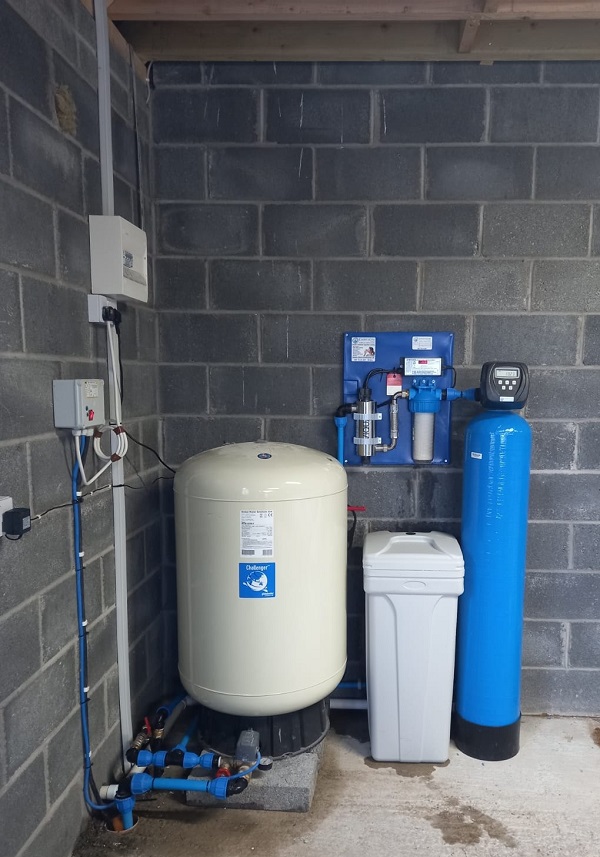
Installation & Ongoing Care
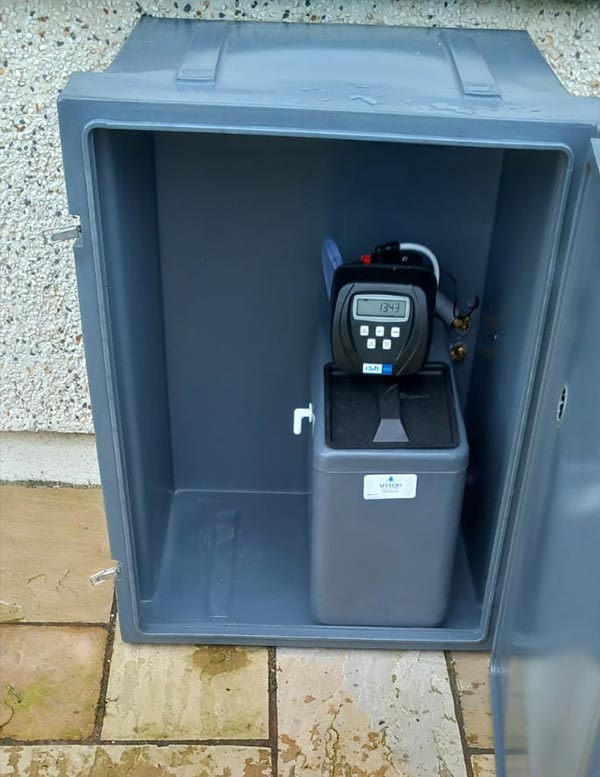
Professional installation ensures the softener is integrated correctly into the plumbing system, positioned appropriately, and configured to regenerate based on actual water usage rather than fixed schedules. This allows the system to operate efficiently while delivering consistent softened water throughout the home.
Most domestic water softeners use a resin that attracts and holds calcium and magnesium, the minerals responsible for hard water. Over time, this resin becomes saturated and needs to be cleaned so it can continue working effectively. This is done through an automatic regeneration process, where a controlled salt solution flushes the resin and restores its capacity. The salt is only used during regeneration and is not added to household water during normal use or delivered through taps.
How long salt lasts depends on household size, water usage, and hardness levels. In most Irish homes, salt typically needs to be topped up every four to eight weeks. Homes with higher water consumption or very hard water may require more frequent refilling. If salt runs out, the system simply stops softening until it is replenished, meaning limescale protection is temporarily lost but the system itself is not damaged. Regular checks ensure continuous performance and long-term reliability.
Taking the First Step
Hard water damage develops slowly and often goes unnoticed until systems fail or costs rise. Testing water hardness and understanding how it affects your home is the first step towards long-term protection. A professional water assessment identifies hardness levels and ensures that any water softener installed is correctly matched to the home, water usage, and system requirements.
Book a water quality assessment to determine whether a water softener is right for your home.