Water Quality in Ireland Explained
Water quality affects every part of your home, from the water you drink to the performance of your plumbing, heating system, and appliances. Across Ireland, water quality varies significantly depending on location, water source, and local ground conditions.
Many Irish households experience issues such as hard water, limescale buildup, unpleasant taste or odour, or private well water concerns. While these problems often develop gradually, their long-term impact on household systems, comfort, and running costs can be substantial.
This page explains how water quality works in Ireland, the differences between mains and private well water, the most common issues affecting Irish homes, and the treatment solutions used to address them.

Understanding Water Quality in Ireland
Water quality refers to the physical, chemical, and biological characteristics of water. In practical terms, it determines how water tastes and smells, how it interacts with household systems, and how it performs over time.
In Ireland, water quality is influenced primarily by natural factors. Much of the country sits on limestone bedrock, which contributes to naturally hard water. In rural areas, private wells draw directly from groundwater, making water quality dependent on local soil conditions, rainfall patterns, and surrounding land use.
Even when water meets national drinking water standards, it may still cause problems within the home if those characteristics are not managed correctly.
Homes in Ireland typically receive water from either the public mains supply or a private well. Each source has different characteristics, responsibilities, and treatment considerations.
Mains Water Supply
Mains water is treated and regulated to meet national safety standards. It is suitable for everyday use, but it commonly contains naturally occurring minerals and disinfectants that affect household systems.
Hard water is widespread on mains supply and leads to limescale forming inside pipework, boilers, and appliances. Many households also notice chlorine taste or odour in drinking water, particularly where water travels long distances through distribution networks or older pipework.
While mains water is generally safe, it is not always optimised for system efficiency, appliance longevity, or drinking water experience without additional treatment.
Private Well Water Supply
Private well water is not monitored or treated by local authorities. Responsibility for water quality lies entirely with the homeowner.
Well water reflects local ground conditions and can vary throughout the year. Common issues include iron and manganese staining, sediment, sulphur-related odours, and bacterial contamination. Changes in rainfall and groundwater levels can cause water quality to fluctuate seasonally.
Because of this variability, regular testing and bespoke treatment are essential to ensure water remains safe, reliable, and suitable for all household uses.
Signs of Water Quality Issues in Homes
Many homeowners are aware that something isn’t quite right with their water, even if they’re unsure of the exact cause. Water quality issues often show up through everyday signs rather than obvious faults, and these signs can be easy to dismiss as normal.
You might notice white residue building up on taps, shower screens, and tiles, or kettles and appliances requiring frequent descaling. Laundry may feel stiff after washing, and soap or shampoo may not lather or rinse away cleanly. Some households experience staining on sinks or toilets, cloudy water, or unpleasant smells when running taps.
In other cases, the issue is less visible. Tap water may taste or smell unusual, leading people to avoid drinking it altogether. Some households rely heavily on bottled water without knowing exactly why their tap water feels unappealing.
For private well users, changes can be more subtle or seasonal. Water that appears clear and acceptable at one time of year may become discoloured, odorous, or unreliable after heavy rainfall or dry periods.
These symptoms don’t always point to a single issue. They are often caused by one or more underlying contaminants, which is why understanding what’s actually in your water is so important.
Common Contaminants in Water
Hard Water (Calcium & Magnesium)
Hard water is caused by naturally occurring calcium and magnesium minerals that dissolve into groundwater as it passes through limestone and other mineral-rich rock. This is why hard water is so widespread across Ireland. While it is not considered unsafe to drink, its impact inside the home can be significant over time.
Plumbing & Heating Systems
Home Appliances
Limescale accumulates in kettles, dishwashers, washing machines, and coffee machines. Appliances must work harder and often fail sooner. Hard water also leaves white, chalky deposits on taps, shower screens, and tiles, increasing cleaning time and product usage.
Skin, Hair & Laundry
Hard water reacts with soap, reducing lather and leaving residue behind. Skin may feel dry or tight after showering, and hair can appear dull or brittle. Clothes washed in hard water often feel stiff and may fade more quickly due to mineral buildup in fibres.
Environment
Reduced heating efficiency increases household energy consumption. Shorter appliance lifespan contributes to higher material waste and replacement frequency, increasing overall environmental footprint.
Chlorine
Taste & Odour
By-Products
Skin & Hair
Environment
Fluoride
Fluoride occurs naturally in some water sources and is also added to public water supplies in Ireland to help reduce tooth decay at a population level.
Long-term Health Concerns
Household Systems
Environment
PFAS (Forever Chemicals)
PFAS are synthetic chemicals used in industrial applications and consumer products. They are known for their persistence and resistance to natural breakdown.
Long-term Health Concerns
Household Systems
Environment
Microplastics
Microplastics are microscopic plastic particles formed from the breakdown of larger plastics and synthetic fibres. They have been detected in water sources worldwide.
Long-term Health Concerns
Household Systems
Environment
Bacteria (Including E. coli and Coliforms)
Bacterial contamination is one of the most serious water quality issues, particularly for private water supplies. Bacteria such as E. coli and coliforms can enter water through surface runoff, flooding, damaged infrastructure, or inadequate protection of wells and springs.
In addition to bacteria, protozoan parasites such as Cryptosporidium and Giardia (often referred to as cysts) are of particular concern.
Immediate Health Impact
Bacteria such as E. coli and coliforms can cause gastrointestinal illness. Cryptosporidium and Giardia cysts are resistant to chlorine and can survive for long periods in water. Infection can cause severe gastrointestinal illness, especially in children, older adults, and people with weakened immune systems.
Detection Challenges
Iron and Manganese
Appearance & Taste
Plumbing & Appliances
Hydrogen Sulphide (Sulphur)
Rotten Egg Smell
The odour can make water unpleasant for drinking, cooking, and washing, even if not harmful at typical domestic concentrations.
Plumbing Systems
Indicative of Other Problems
Pesticides & Agricultural Chemicals
Long-Term Health Exposure
Environmental Impact
Sediment & Turbidity
Sediment refers to suspended particles such as sand, silt, clay, or organic matter in water. Turbidity is the cloudiness caused by these particles.
Sediment commonly enters water supplies through soil runoff, pipe disturbance, or groundwater movement.
Plumbing & Appliances
Indicative of Other Problems
Water Quality Testing & Assessment
There is no reliable way to assess water quality solely by appearance. Laboratory testing is the only accurate way to understand what is present in your water and how it should be treated.
Water testing identifies characteristics such as hardness levels, bacterial presence, metals, pH balance, and overall clarity. This information is crucial for selecting the correct treatment system and ensuring it is properly configured.
Testing is particularly important for private well users, homes experiencing persistent limescale or appliance issues, and households planning water treatment upgrades.
How often water should be tested depends on the water source and the issues present. For homes supplied by the public mains, testing is often carried out when there are persistent problems such as limescale buildup, taste or odour issues, or before installing a water treatment system.
Testing is also recommended when moving into a new home with a private supply, after well maintenance, or if household members experience unexplained gastrointestinal symptoms.
Regular testing ensures that treatment systems remain appropriate over time and that changes in water quality are identified early, before they affect health or household systems.
For private well users, regular testing is essential. Well water should be tested at least once a year for bacteria and basic quality indicators, and more frequently if there are changes in taste, smell, or appearance, or following events such as heavy rainfall, flooding, or nearby land-use changes.
Water Treatment Solutions for Irish Homes
Once water quality issues are identified, treatment solutions can be selected to address the specific needs of the home. In Irish households, water treatment generally falls into three distinct categories.
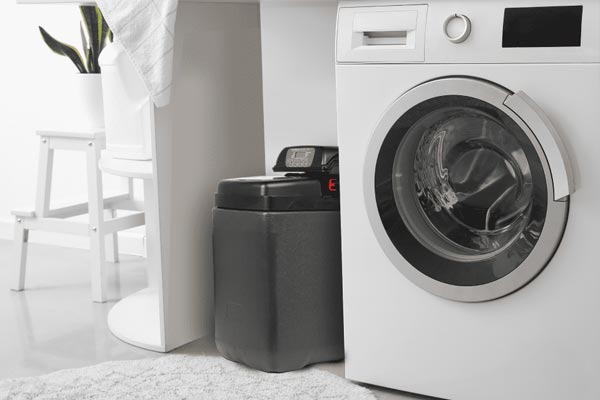
Water Softeners
Water softeners are designed to treat hard water at the point where it enters the home. By reducing calcium and magnesium levels, they help prevent limescale buildup throughout plumbing, heating systems, and appliances.
The result is improved system efficiency, reduced energy consumption, and extended lifespan of household equipment. Water softeners also improve everyday comfort by allowing soap and shampoo to rinse more effectively and reducing residue on surfaces.
Reverse Osmosis Systems
Reverse osmosis systems are installed at a dedicated drinking water tap, typically under the kitchen sink. These systems focus specifically on improving the quality of water used for drinking and food preparation.
By reducing a wide range of dissolved substances, reverse osmosis systems improve taste, clarity, and confidence in tap water. They are often used alongside whole-home treatment to provide high-quality drinking water while protecting household systems.
Well Water Treatment Systems
Bespoke well water treatment systems are designed specifically for private well supplies. Because well water quality varies significantly, treatment systems are configured based on detailed water test results.
These systems may include filtration to remove sediment, iron, or manganese, along with disinfection to address bacterial contamination. A tailored approach ensures reliable performance throughout the year, even as water quality changes seasonally.
Need More Information?
If you’re unsure about your water quality or want expert advice on the right solution for your home, our team is here to help. Book a professional water quality assessment and get clear answers tailored to your home and water supply.