Improving Drinking Water Quality with Reverse Osmosis
Drinking water in Ireland is treated to meet safety standards, but many households still choose to improve the quality of the water they drink every day. Taste, confidence, and long-term exposure are common reasons people look for additional treatment at the point of use.
Reverse osmosis systems are one of the most effective ways to improve drinking water quality at home. It is installed under the kitchen sink and supplies a dedicated drinking water tap for drinking, cooking, and food preparation. For many households, it removes the need to buy bottled water, improves taste immediately, and provides peace of mind about what’s in their daily drinking water.

What Reverse Osmosis Is, in Simple Terms
Reverse osmosis is a purification process that separates clean water from dissolved substances using a specialised membrane. You can think of it as a very fine barrier that allows water molecules through while reducing a wide range of unwanted substances.
A typical RO system treats only the water you drink and cook with. It does not change shower water or the water used in appliances unless combined with other whole-home systems. This keeps running costs low while delivering the biggest day-to-day impact where it matters most.
Why Choose Reverse Osmosis for Drinking Water
Most households don’t install reverse osmosis because something dramatic happened or because their water is unsafe. They install it because they want better water every day, and because they want to stop relying on bottled water for something as basic as drinking and cooking.
For many people, reverse osmosis is about improving daily habits. It removes uncertainty around taste and quality, makes tap water more enjoyable to drink, and offers a long-term alternative to constantly buying bottled water. Over time, it becomes part of the normal kitchen routine.
Better Taste, Consistently
Taste is often the starting point. Chlorine taste and odour are among the most common complaints with mains drinking water, particularly in areas where water travels long distances through distribution networks or where levels fluctuate.
Reverse osmosis systems are designed to significantly improve taste and smell by reducing chlorine and other dissolved substances that affect flavour. The result is water that tastes clean and neutral, without the chemical aftertaste that many people associate with tap water.
This improvement is especially noticeable in hot drinks. Tea and coffee often taste better because the water no longer interferes with flavour. Cooking with reverse osmosis water can also feel more consistent, particularly for foods where water is a key ingredient.
Confidence in What You’re Drinking
Many concerns about drinking water are not things you can see, taste, or smell. Substances such as PFAS and microplastics are increasingly discussed, yet they provide no sensory warning signs in everyday use.
Reverse osmosis is widely used because it targets dissolved substances that standard filters may only partially address. For homeowners, this provides reassurance rather than alarm. It allows people to feel confident about what they and their family are drinking every day, regardless of wider discussions about emerging contaminants or changes in water treatment practices.
That sense of confidence is often just as important as taste.
Reducing Contaminants
A majority of Irish households choose to reduce contaminants in their drinking water, particularly where water consumption is high or where water is used regularly for infant feeding and formula preparation.
Reverse osmosis systems can effectively remove a broad range of contaminants, which include fluoride, cysts, cryptosporidium, pesticides, and other commonly found impurities in water. Depending on system configuration, dissolved salts, heavy metals such as lead, and other trace contaminants may also be reduced.
For many households, reverse osmosis becomes a lifestyle change as much as a water upgrade.
No More Bottled Water
Households that regularly purchase bottled water often underestimate the long-term cost. Bottled water is a recurring weekly expense, while a reverse osmosis system is a once-off installation with modest ongoing maintenance spread over many years. Over time, this makes reverse osmosis a cost-effective alternative for most families.
Convenience is just as important. Installing reverse osmosis removes the need to carry heavy multipacks from the supermarket, store bottles in the kitchen, and manage constant re-purchasing. Drinking water is available instantly from the tap, whenever it is needed.
There is also a clear environmental benefit. Reducing reliance on single-use plastic bottles lowers household plastic waste and supports a more sustainable approach to drinking water.
How Does Reverse Osmosis Process Work?
Water entering a reverse osmosis system first passes through pre-filters that remove sediment and protect the membrane. The water is then pushed through the reverse osmosis membrane under pressure.
The membrane separates purified water from dissolved substances. The treated water is delivered to a dedicated drinking water tap, while the rejected water is safely flushed away. The system operates automatically once installed.
This process allows reverse osmosis systems to deliver consistent drinking water quality day after day.
Types of RO Systems
Traditional RO Systems
Tank-based
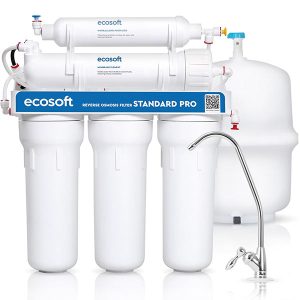
Tank systems store purified water in a small pressurised tank under the sink. This means purified water is ready whenever you open the tap.
Tank systems are popular because they are reliable, cost-effective, and provide consistent availability. They suit most households and are often the most straightforward option where space allows.
The trade-off is that the tank takes up some under-sink room, and flow rate is limited by what the tank can deliver at that moment.
Direct Flow RO Systems
Tankless
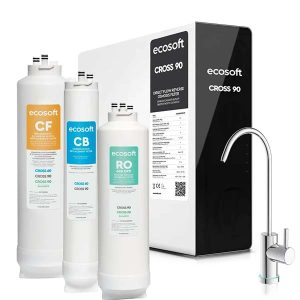
Direct flow systems do not store water in a tank. Instead, they produce purified water on demand, typically using a higher-capacity membrane and more robust system design.
These systems are often chosen when households want higher flow rates, more under-sink space, or a more modern setup. They can be an excellent option for homes with higher daily drinking water demand.
The trade-off is that they rely more on water pressure and system configuration, so professional specification matters.
Maintenance and Ongoing Care
An RO system uses a series of filters to protect the reverse osmosis membrane and ensure consistent water quality. These filters gradually do their job over time and are replaced at set intervals, much like changing oil or filters in a car. The membrane itself lasts longer than the pre-filters and is replaced less frequently.
This maintenance is predictable and straightforward. When filters are changed on schedule, the system continues to deliver clean, high-quality drinking water without disruption. Skipping maintenance does not usually cause sudden failure, but performance can decline gradually, similar to how an appliance becomes less efficient when servicing is delayed.
With routine care, a reverse osmosis system provides reliable drinking water for many years, making maintenance a normal and manageable part of ownership rather than an ongoing burden.
Maintaining a reverse osmosis system is similar to servicing other everyday household equipment. Just as a boiler needs periodic servicing or a car needs routine maintenance to run efficiently, a reverse osmosis system relies on regular filter changes to continue performing as intended.
How Reverse Osmosis Fits With Other Home Water Systems?
Reverse osmosis is focused on drinking water. It does not replace whole-home treatment such as water softeners, which protect boilers, pipework, and appliances from limescale.
In many homes, the most effective setup is a combination: a softener for whole-home protection and a water filter, such as reverse osmosis, at the kitchen tap for improved drinking water quality.
This allows the home to be protected from hard water damage while ensuring high-quality water for consumption.
Improving Drinking Water with Confidence
Drinking water quality is about more than meeting minimum standards. It is about taste, trust, convenience, and long-term peace of mind. If you want better-tasting water at home and you’re ready to stop buying bottled water, reverse osmosis is one of the most effective solutions available. It delivers a daily improvement you can taste, with long-term benefits in cost, convenience, and sustainability.
Book a consultation to find the right reverse osmosis drinking water system for your home.